weRstories is an Art & Literature Laboratory and an independent publishing house based in Berlin. We publish and promote high-quality literature written in Spanish, Italian and English. We’re passionate about exploring storytelling in fresh, postmodern ways, where words and images converge in innovative ways. We also give voice to some of the numerous and vibrant non-native communities that have settled in Germany. No matter if it’s a children’s tale, a gripping novel, or a thought-provoking essay – weRstories is about what stirs the heart and sparks the mind.
If you only read what’s trendy, your ideas will be just like everyone elses.
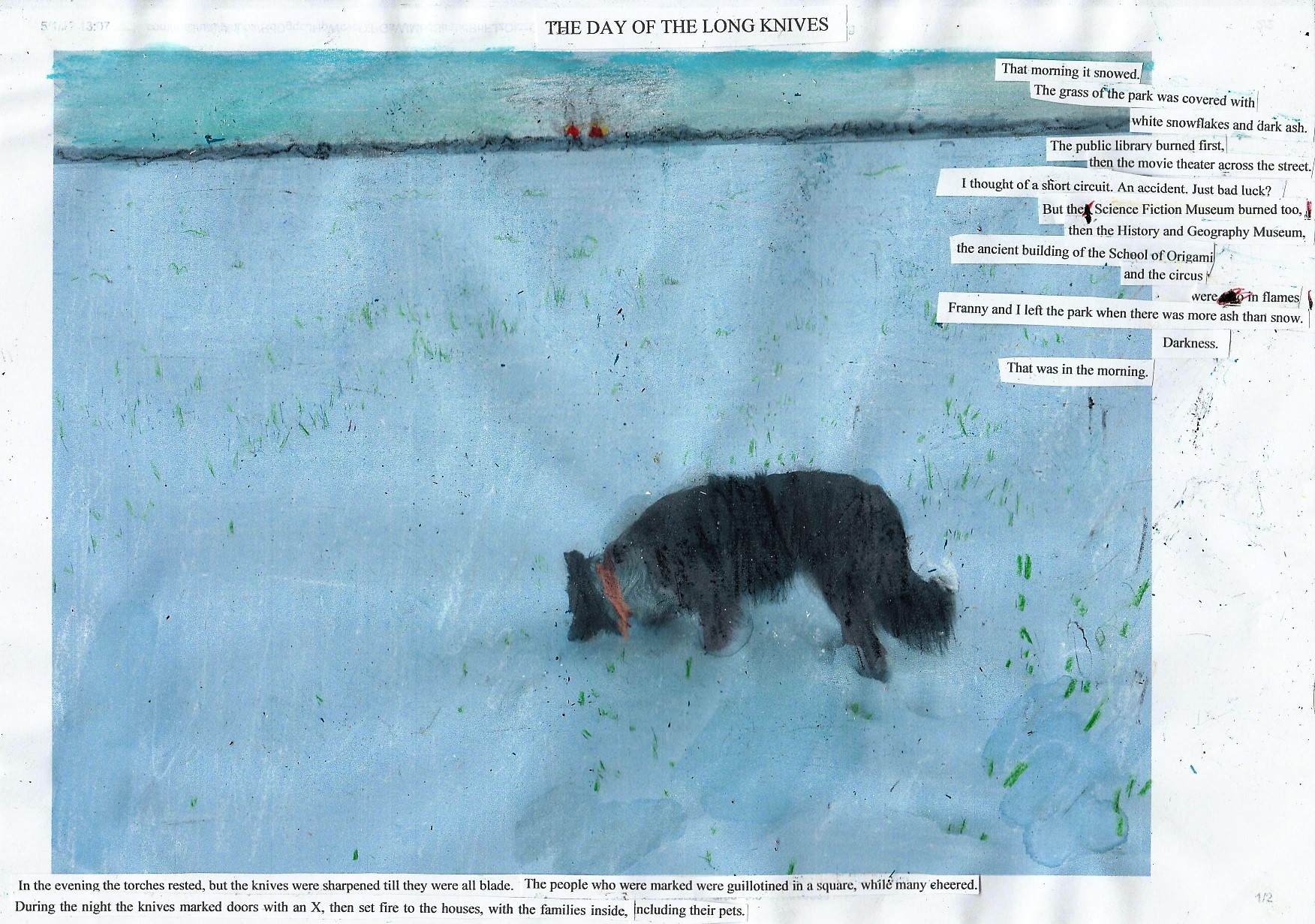
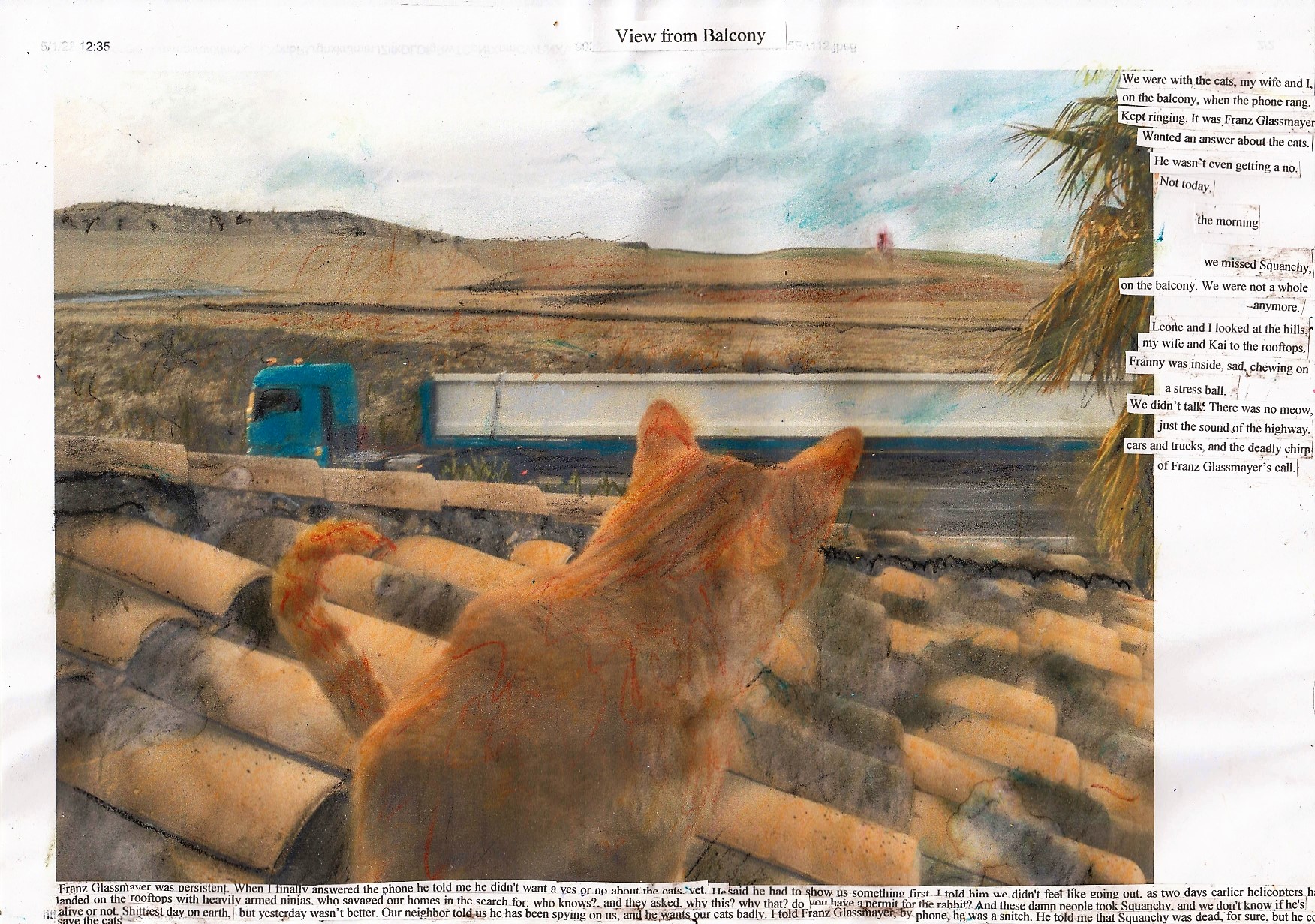
weRstories collaborates with artists and creatives to harness the potency of fiction within exhibition spaces, illustrating how a narrative text can enrich and empower visual artworks in a profound and meaningful manner. Imagine brief fictional tales inspired by visual artworks, snippets of interviews that offer insight into the artist’s creative essence, and texts that seamlessly blur the boundary between reality and fiction. In an era where art exhibitions frequently become submerged in sterile, overly conceptual jargon or generic press releases, this project boldly endeavors to reignite the enchantment of the written word within the realm of contemporary art.
AUTHORS
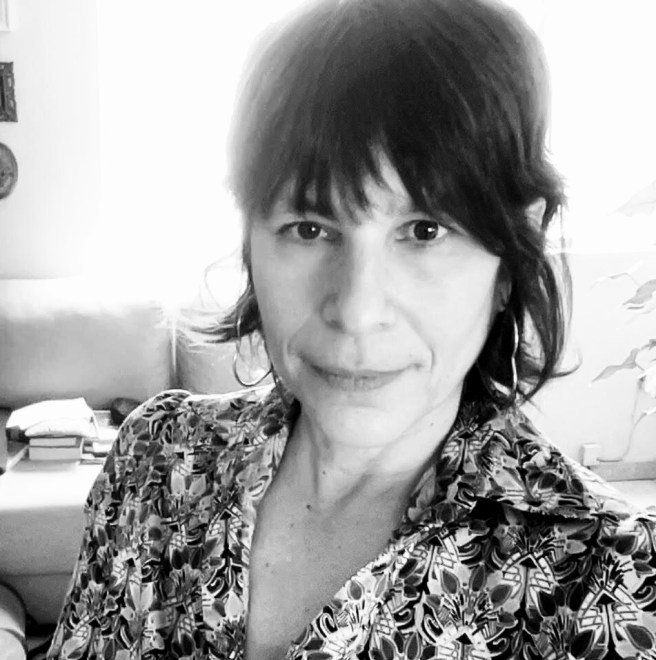

Celina Leone
[adult, fiction]
[ESP]
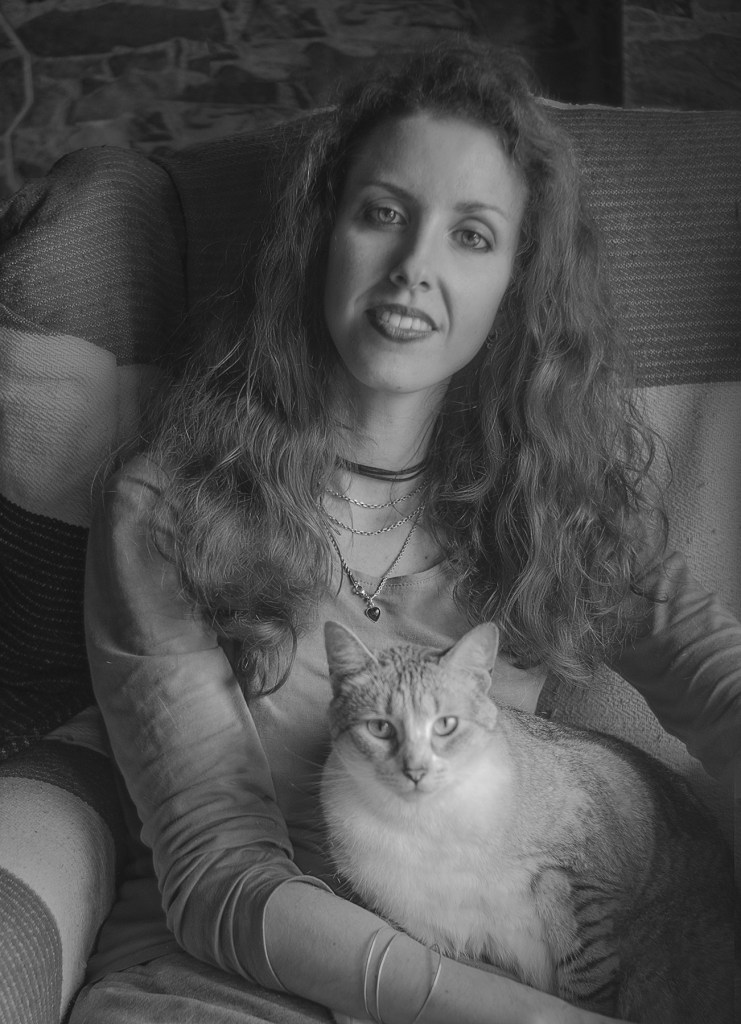


@editorial_werstories
Julio Cortázar, Roberto Bolaño, Kelly Link, Gordon Lish, Franz Kafka, Muriel Spark, Tom Wolfe, Stephen King, Jorge Luis Borges, but also Mike Tyson, Diego Rivera, Andy Warhol, Marcel Duchamp, Marilyn Monroe, or just a graffiti on the street… Sometimes it’s an image that makes us think of something we’ve read, other times it’s a quote that triggers our association…
https://www.instagram.com/editorial_werstories/
ART & LITERATURE
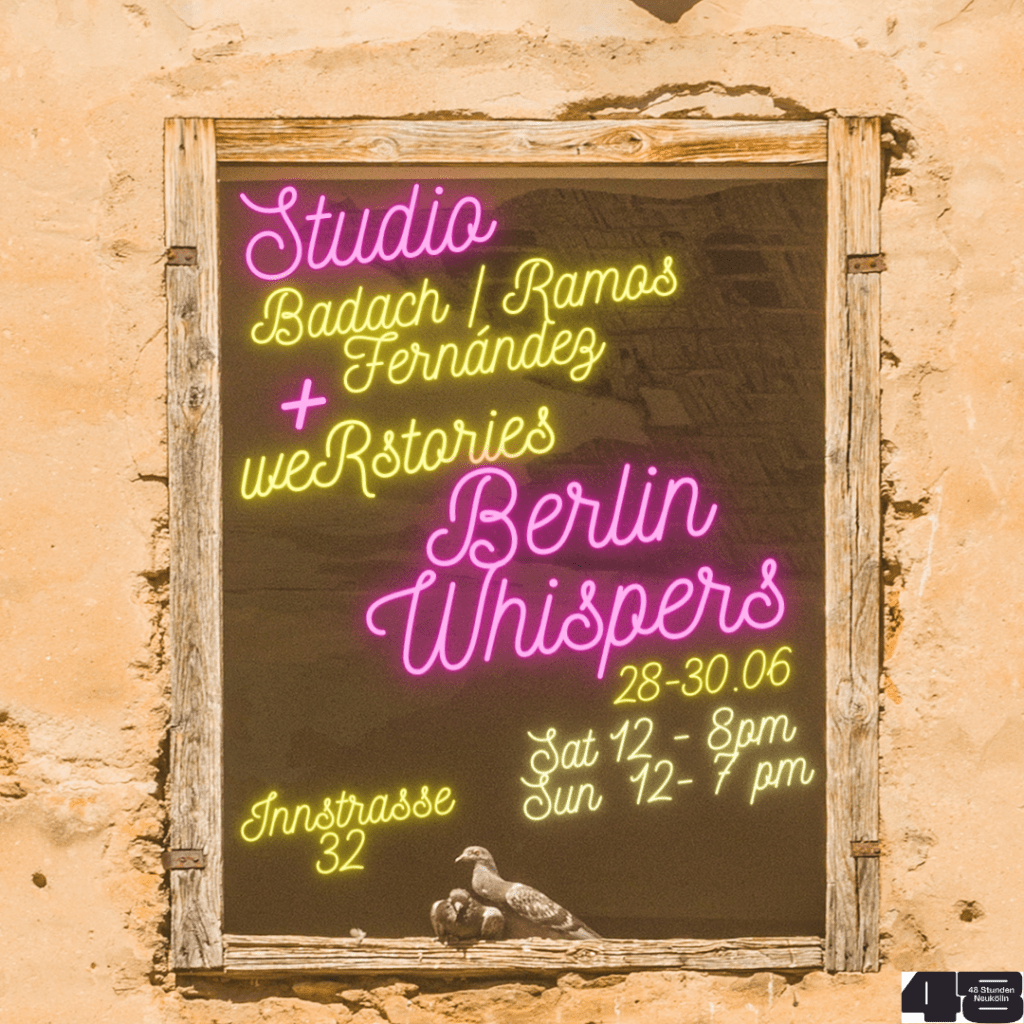
Berlin Whispers is an exhibition created in the context of «48 Hours Neukölln Festival» 2024, featuring the works of painter Katarzyna Badach and photographer Alfredo Ramos Fernández.
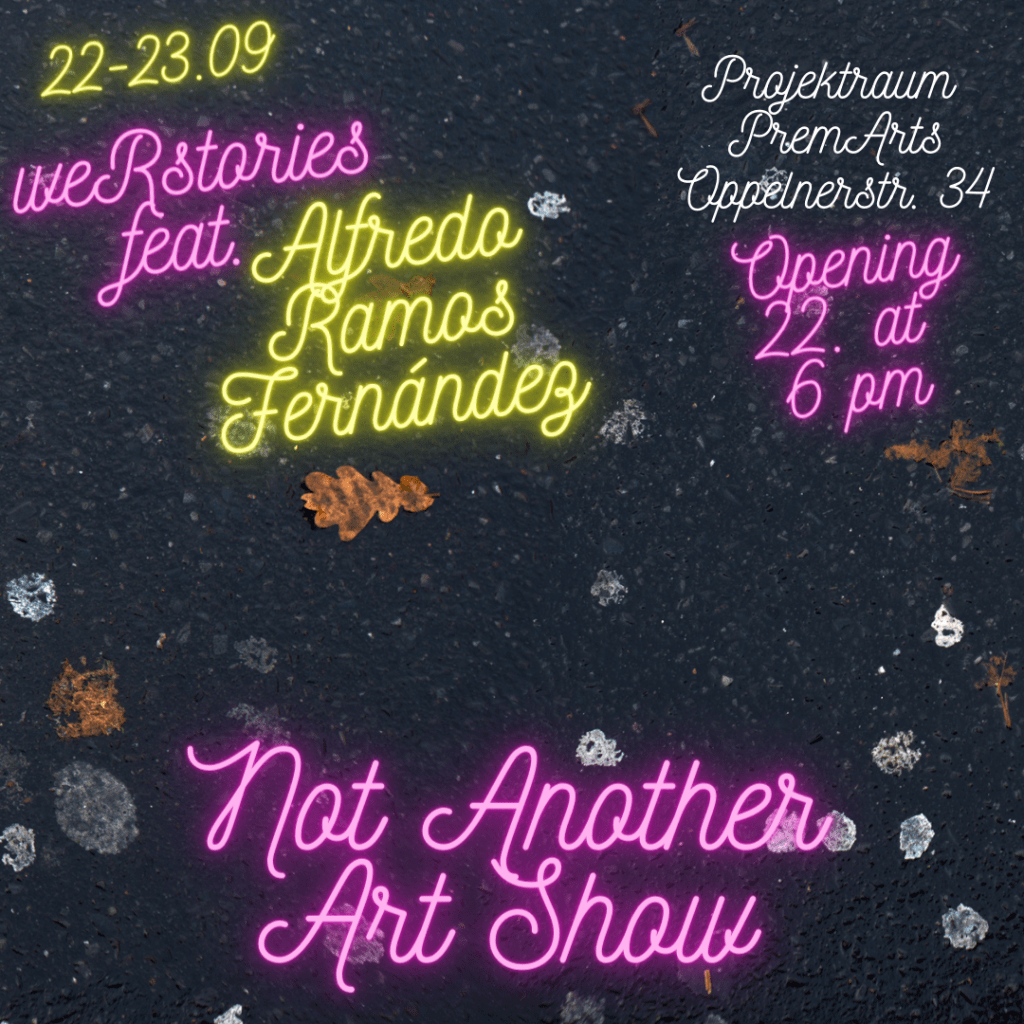
Not Another Art Show is a two-day exhibition featuring the captivating works of Berlin-based photographer, Alfredo Ramos Fernández (Havana, 1964).
NFTS


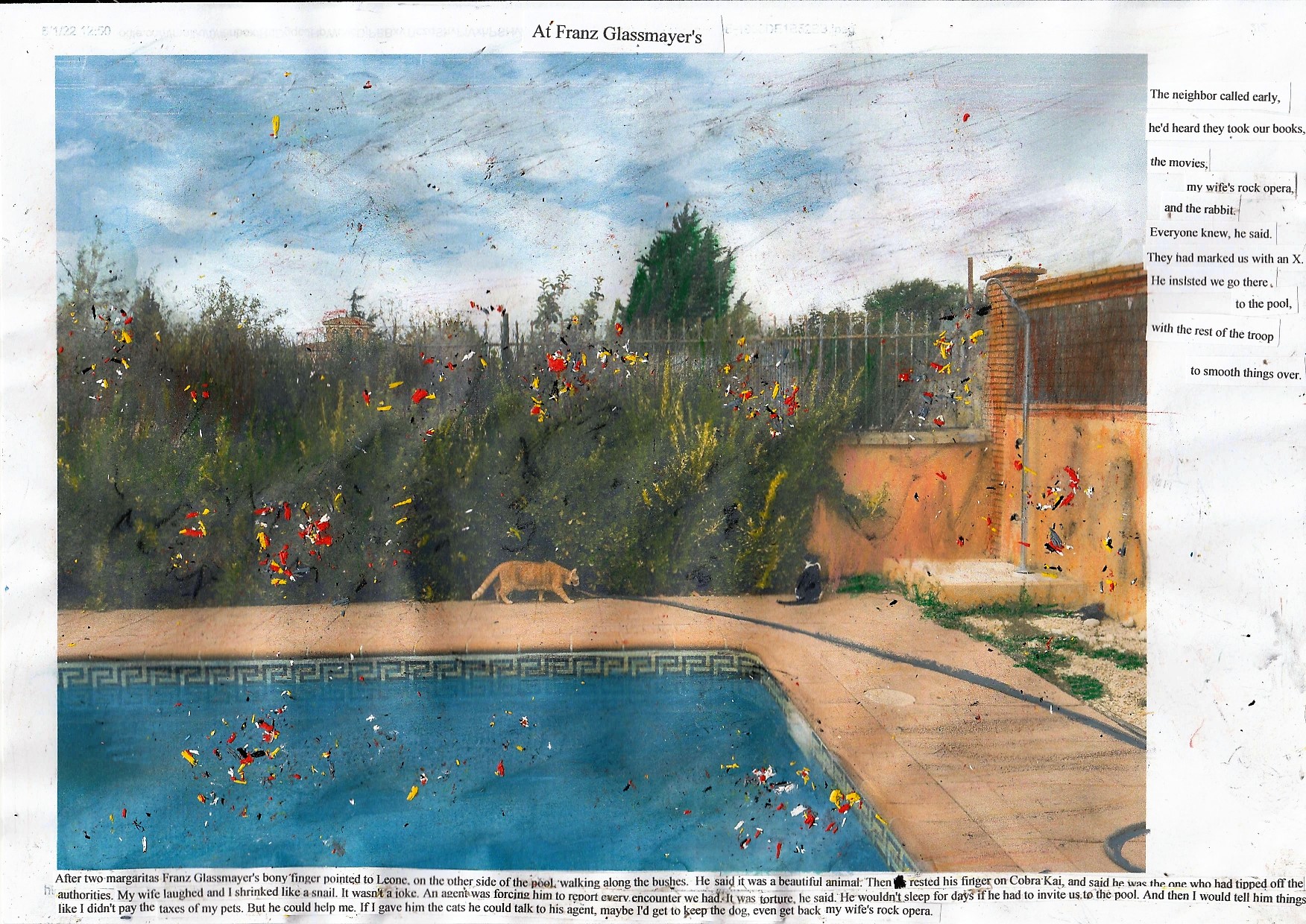

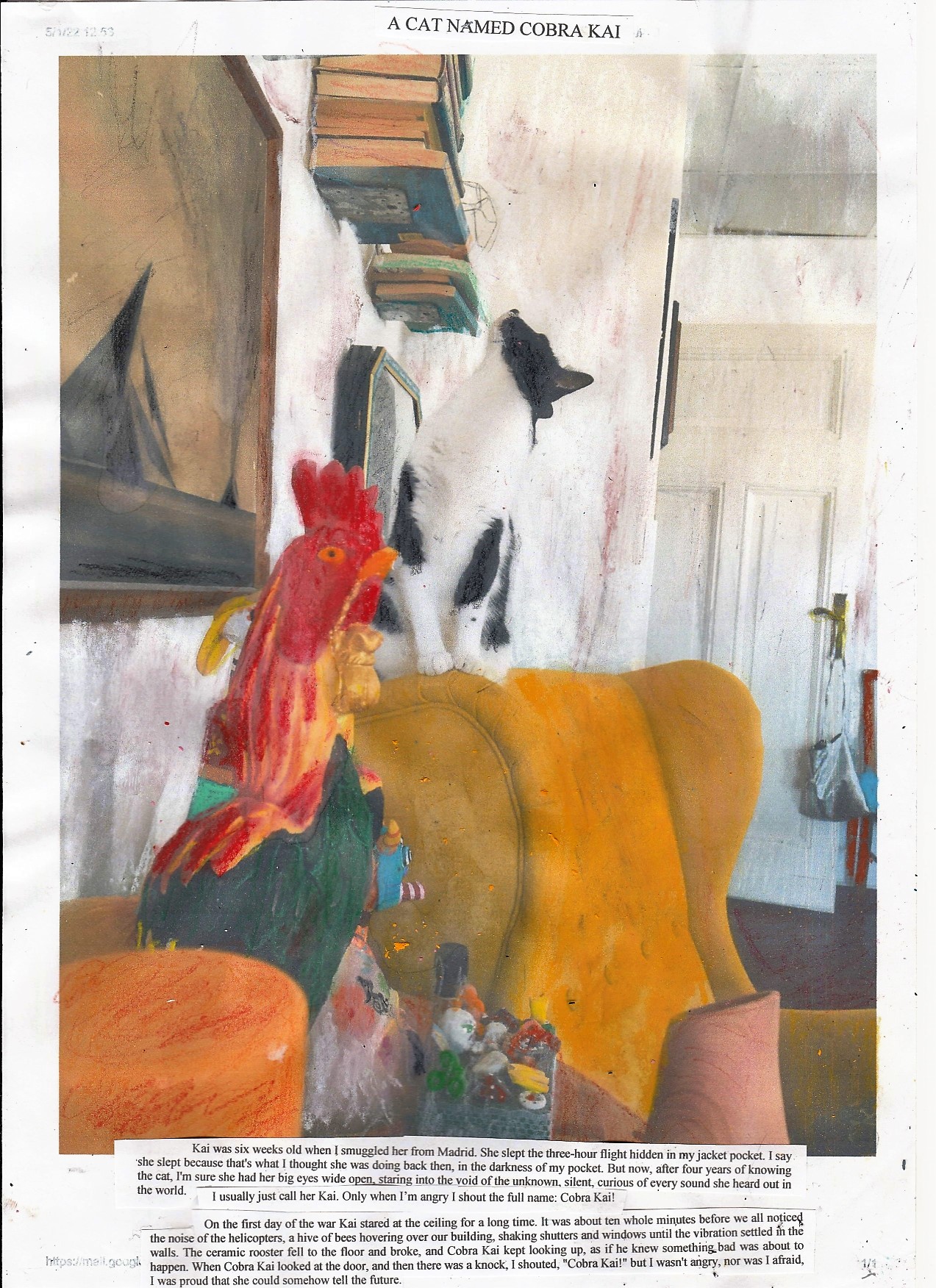
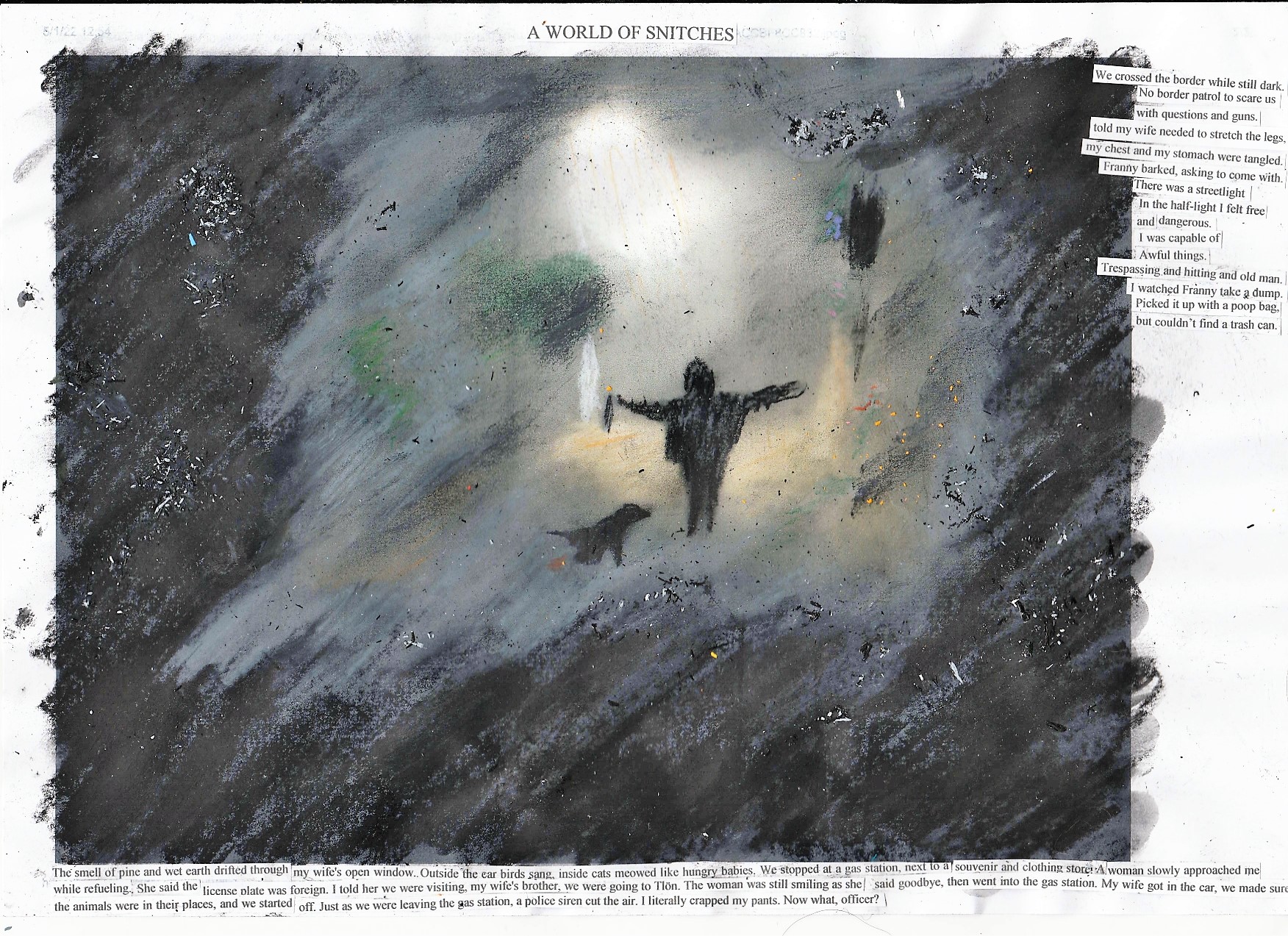

IN OUR WORDS
Interview to Anna Garbus, founder of weRstories, by Lettretage, 2025:
weRstories was founded with the mission to publish and promote high-quality literature in Spanish, Italian, and English. What is the story behind this endeavor — from the initial ideas, through the implementation, to the current status around three years later?
Anna Garbus: weRstories began with something simple but powerful: a sense of frustration and a refusal to look away. I kept meeting people whose writing was alive, urgent, dazzling — and completely invisible to the publishing world. Migrant writers. Multilingual voices. People who had lived enough for ten books but didn’t have the “right” degree, the “right” accent, the “right” network. I realized how much creative energy gets buried in the margins — not because the work isn’t good, but because the doors are closed. And literature, more than any other art form, loves its closed doors.
If you haven’t studied the „right“ theory, if you don’t move in the right circles or speak the dominant language with the right fluency, your chances are slim. Even if you’re brilliant. Many of these writers, had they stayed in their countries of origin, might have had more visibility, more access. But migration — beautiful, necessary, destabilizing — often strips that away. And for a writer, language isn’t just a tool. It’s the bloodstream. It’s how you make yourself known in the world. To lose it, even temporarily, is to risk becoming unreadable. While working in the art world, I saw a parallel there too: brilliant artists writing half-hearted statements to fit into curatorial frames, writers ghosting through Berlin with notebooks full of fire. I started editing for friends, translating ideas into finished texts, shaping manuscripts that deserved to be published. The quality was there. The only thing missing was access. So I stopped waiting for somebody more appropriate or more connected to see these projects going forward, and founded weRstories.
Since 2022, we’ve been slowly publishing literature in Spanish, Italian, and English — languages spoken by millions, yet still underrepresented in Germany’s literary ecosystem. What we look for is simple: strength of voice, depth of thought, emotional urgency. We don’t care where you studied. We care how you write. How you make us feel. How you help us ask the real questions: How are we supposed to be living down here? What does it mean to belong? To resist? To dream out loud? This project is built on that belief: that language is still a place to meet. That good writing matters. That we can build a home for it — not in ivory towers, but out here, where stories are still burning to be told.
weRstories works together with six writers and other artists. How did this group come about? What does the collaboration between weRstories and the artists look like?
Anna: Some of the artists and writers we work with had already crossed paths with me before weRstories existed — I had written press materials for their shows, helped shape their statements, or edited their manuscripts. Other writers found us through submissions, word of mouth, or even Instagram. If their writing moves something in us, we reach out. We talk. We see if there’s a connection. Because making a book — or writing for an exhibition — is a very personal process. It takes trust: trust in the editor, and trust that the writer or artist is open to questioning, rewriting, and going deeper. That’s what we look for. People who are humble, curious, and willing to grow — we want to do the same.
What sets us apart is the way we approach writing in the context of contemporary art. Many of the artists we collaborate with share our concern: that the language used in the art world has become stale, jargon-heavy, and often alienating. As the writer and art critic Tom Wolfe once said, modern art has become a narrative medium. And it’s true — not only in the long statements often required to contextualize conceptual work, but even in the museum wall texts or the titles of paintings. There’s a story being told, or at least implied. The problem is, that story is rarely engaging.
We believe that artists today are expected to write — and to write well — but many of them don’t work that way. Their processes are intuitive, driven by sensation, by impulses and dreams. Translating that into stiff academic prose often flattens the work rather than opening it up. Worse, it creates barriers. Because let’s face it: most museum and gallery texts aren’t written for the general public. They’re for insiders.
So our job is to write with that in mind. We bring narrative energy, tension, and rhythm to our texts. We work sentence by sentence, inspired by the art itself, and we often end up writing stories — not just statements — about the works we curate. Stories that sit right next to the artworks, giving them an added dimension. More emotional. More literary. The result is a two-way influence: the text is shaped by the artwork, yes — but the artwork also takes on new resonance through the writing. The viewer experiences something different, something fuller. We’ve started bringing this same approach into artists’ books as well, and we’re excited to keep exploring the possibilities.
Were there any specific challenges or turning points in the development of weRstories that significantly influenced the direction of the organization?
Anna: Absolutely. Like any independent project, weRstories has faced its share of challenges—and turning points. One of the most important was realizing that good writing isn’t enough. We needed writers who were also willing to go the distance with their work: to rewrite, to go deeper, to take risks. That shifted the way we approached publishing. It became less about producing books and more about creating relationships—about trust, dialogue, and a true editorial process.
But perhaps the most difficult and enduring challenge has been selling books. The reality is that the market isn’t built for small publishers. Distribution is a major hurdle. Most distribution companies in Europe are reluctant to work with independent houses, and even independent bookstores often demand you go through those same channels. It’s a classic snake-biting-its-tail situation. You need distribution to get into bookstores, but you need bookstore visibility to make distribution worthwhile.
In your exhibitions you combine written texts with photographs and paintings. Why is this combination of literary work and visual arts especially important to you? What kind of response or reflection do you hope to evoke in viewers?
Anna: For us, combining literature with visual art isn’t just a stylistic choice — it’s the heart of our project. We believe stories and images belong together. A text can shift how you see an artwork, just as an artwork can reshape how you read a text. When they meet, something new opens up: a third space, layered and alive. We don’t just write statements — we write stories inspired by the work, sentence by sentence, with rhythm, tension, and curiosity. The goal is to create a kind of dialogue, where neither medium dominates, but each expands the other. Many artists today are expected to write about their work, but that’s not how most of them create. They act on intuition, dream, gesture — not theoretical footnotes. That’s where we come in: to listen closely, to translate that energy into language that opens up the work. We think a good text should pull you in, not push you out. It should make you pause, wonder, feel something.
In our exhibitions, we want viewers to experience that double-take: to look, then read — or read, then look — and find that each medium reshapes the other. It’s less about decoding meaning and more about creating an emotional or conceptual spark. That moment of “wait, what’s really going on here?” — that’s what we’re after. We also try to make the whole thing more playful. Less stale. Less heavy. We believe in the joy of thinking, of making connections, of being surprised. And that’s what we hope our work invites people to do.
You mention that weRstories emerged in a time when art is often buried under sterile, overly conceptual language. How do your projects manage to create a vibrant and accessible narrative that resonates with both art lovers and a broader audience?
Anna: We’ve found that what makes writing good isn’t cleverness — it’s clarity, rhythm, vulnerability, and the courage to try to name something real. Even when we fail. That’s all poetry is, really: something odd, coming out. Normal speech, overflowed. A failed attempt to do justice to the world. The poet throws herself against the fence of language — and what remains is the bulge, the distortion, the bruise. That’s the mark of sincerity.
And fiction? Fiction reminds us that everything remains to be seen. That beauty still exists, even if it doesn’t look the way we imagined. And that when it does show up, we should take it — however it comes.
This is how we approach writing about art. Whether we’re telling the story behind a photograph or inventing a narrative beside a painting, we want the text to feel alive. Less like explanation, more like invitation. A text that breathes beside the artwork, not over it. That opens doors — to emotion, ambiguity, memory, laughter, doubt.
We know the art world can feel alienating. Many viewers, especially those outside its inner circles, walk past wall texts filled with academic jargon and feel nothing. We think language should do the opposite. It should speak clearly — but not reductively. It should offer complexity — without arrogance.
There’s a vast underground network for goodness at work in this world — a web of people who’ve made reading central to their lives because they know, from experience, that reading can make us more expansive, more generous. We believe writing about art can be part of that web. A way of saying: we still believe in the possibility of connection. Between people. Between forms. Between image and word. Our texts sometimes seem raw, even dark — but we’re always reaching for something true. We’re trying to spark that flicker, that pause, that moment when someone leans in just a little closer. Because we think that’s where art lives. Not in definitions. But in that quiet spark of attention.
Art & Literature Lab + Editorial

IMPRESSUM
weRstories – Anna Garbuglia
Hertzbergstr. 26, 12055 Berlín Germany
Info.werstories@gmail.com
 Art & Literature Lab + Editorial